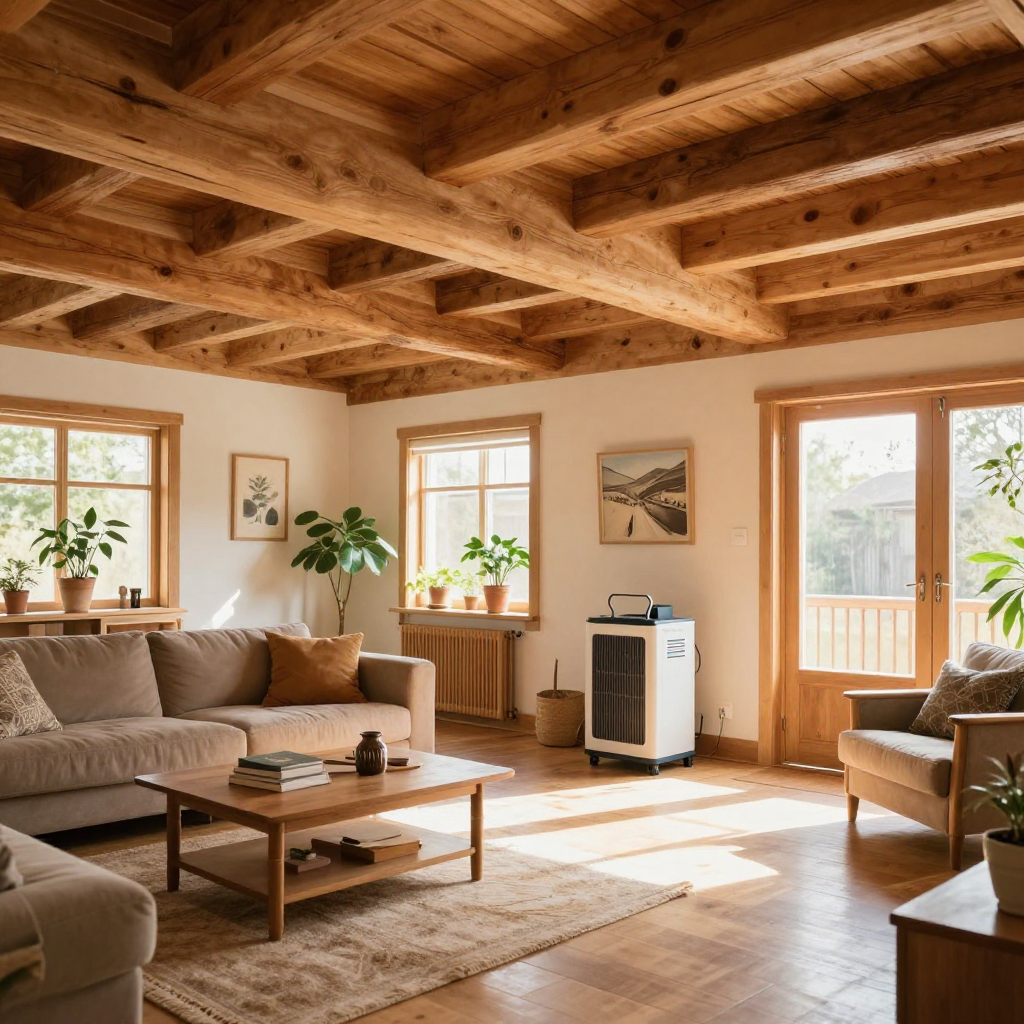
Wood is one of the most important materials used in homes, furniture, flooring, roof beams, fences, cabins, and structural supports. It provides natural beauty, warmth, strength, and long-term durability. However, because wood is a natural material, it can become vulnerable to moisture, woodworm, termites, mold, rot, sunlight, and everyday wear over time.
Many homeowners only think about wood care after visible damage appears. Unfortunately, problems such as hidden pests, dampness, structural weakening, and internal timber damage often begin quietly and gradually become expensive repairs if ignored.
This is why wood protection should be a priority. Proper protection helps preserve structural safety, improve durability, reduce repair costs, and maintain the appearance and value of a property.
The good news is that simple preventive habits can significantly improve long-term timber health.
Many homeowners researching timber care through shashel.eu/ understand that protecting wood early is one of the smartest ways to avoid expensive future problems.
In this guide, we will explain why wood protection matters and how homeowners can benefit from making it a priority.
Wood Naturally Faces Damage Risks
Wood is strong, but it is still a natural material.
Common Threats to Wood Include
- Moisture
- Woodworm
- Termites
- Mold
- Rot
Why This Matters
Without protection:
Timber may weaken over time
Routine care improves durability.
Healthy wood lasts longer.
Protects Structural Safety
Wood supports important parts of many homes.
High-Risk Structural Areas Include
- Roof beams
- Ceiling joists
- Floor supports
Why Protection Matters
Weak timber may affect:
- Stability
- Safety
Healthy structural wood helps protect the entire property.
Fast action matters.
Many homeowners exploring timber care through shashel.eu understand that strong timber starts with prevention.
Helps Prevent Woodworm and Pest Damage
Wood pests often remain hidden.
Common Timber Pests Include
- Woodworm
- Beetles
- Termites
Warning Signs Include
- Tiny holes in wood
- Powdery dust (frass)
Why Prevention Matters
Early protection helps reduce:
- Long-term wood damage
Healthy dry timber discourages infestation.
Reduces Expensive Repairs
Small problems often become larger over time.
Why Early Protection Saves Money
Routine maintenance may help prevent:
- Structural repairs
- Furniture replacement
Benefits Include
- Lower long-term costs
Prevention works better than repair.
Consistency matters.
Keeps Wood Looking Beautiful
Wood appearance matters too.
Why Protection Helps
Healthy timber often keeps:
- Better color
- Stronger surfaces
Areas That Benefit Include
- Flooring
- Furniture
- Wooden walls
Well-maintained wood improves home appearance.
Routine care matters.
Helps Control Moisture Damage
Moisture is one of timber’s biggest enemies.
Why Dampness Matters
Damp wood becomes vulnerable to:
- Mold
- Rot
- Pest infestation
Common Moisture Sources Include
- Roof leaks
- Condensation
- Pipe leaks
Dry wood naturally lasts longer.
Fast repairs matter.
Many homeowners researching timber care through shashel.eu understand that moisture prevention improves long-term timber protection.
Improves Property Value
Healthy timber supports property condition.
Why This Matters
Visible wood damage may reduce:
- Appearance
- Home appeal
Benefits of Protected Timber Include
- Better long-term value
Healthy homes stay attractive longer.
Consistency matters.
Protects Furniture and Decorative Wood
Wood protection is not only for structures.
Wooden Items Worth Protecting Include
- Antique furniture
- Cabinets
- Tables
Why This Matters
Wood pests and moisture may weaken:
- Appearance
- Stability
Routine care improves lifespan.
Healthy furniture lasts longer.
Supports Healthier Indoor Living
Damaged wood may create problems indoors.
Why Indoor Conditions Matter
Damp timber may encourage:
- Mold growth
Healthy wood supports:
- Cleaner living spaces
Balanced home care matters.
Modern Wood Protection Methods Continue Improving
Modern timber care continues evolving.
Common Solutions Include
- Heat treatment
- Microwave treatment
These methods may help target:
- Hidden pests
while reducing heavy chemical exposure.
Professional advice improves outcomes.
Common Mistakes Homeowners Make
Waiting for Visible Damage
Hidden problems often begin first.
Ignoring Moisture
Damp timber weakens faster.
Delaying Repairs
Small problems become expensive later.
Skipping Inspections
Hidden issues remain unnoticed.
Routine care improves protection.
Long-Term Benefits of Wood Protection
Making wood protection a priority offers major advantages.
Benefits Include
- Longer timber lifespan
- Better structural safety
- Lower repair costs
- Improved appearance
Healthy timber protects the entire property.
Prevention saves money.
Conclusion
Wood protection should be a priority because timber naturally faces risks from moisture, pests, mold, structural wear, and long-term environmental exposure. Without proper care, hidden problems may quietly weaken furniture, flooring, roof beams, and structural supports.
Keeping timber dry, inspecting regularly, improving ventilation, repairing damage quickly, and using modern wood protection methods all help improve durability and reduce long-term costs.